DEBUSSY: String Quartet, Op. 10; Syrinx; Cello Sonata; Violin Sonata; Flute, Viola, and Harp Sonata – Sigiswald Kuijken, violin/Veronica Kuijken, violin/ Sara Kuijken, viola/Wieland Kuijken, cello/ Barthold Kuijken, flute/Piet Kuijken, piano/ Sophie Hallynck, harp – Arcana 303, 71:00 ****1/2:
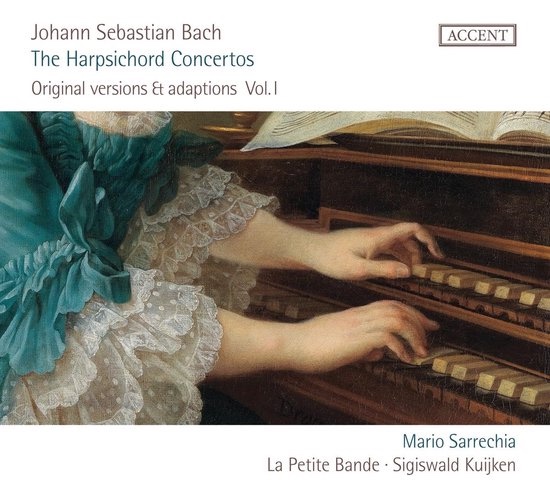
I just don’t understand what is wrong with the Kuijken family; surely they could have come up with a harp player! Well, no one is perfect, and I certainly won’t hold this against them. Seriously, if there is a more musical family on the face of the earth I am not sure which one it would be. And not just musical, but virtuoso talents at that! Here they have banded (I think for the first time) to give us the complete chamber music of Debussy, and his path breaking Quartet. Sigiswald Kuijken, who wrote the notes to the release, and probably because expectations are raised in the minds of most listeners, goes to great length to dispel the idea that this is some sort of “period” performance of these works; indeed, he suggests that Debussy is perhaps the foundational modern composer, and as such there is no need to investigate his music with the idea of archeological extravagance in mind. Kuijken also says that he is against approaching “historically informed” practices as anything apart from a purely artistic standpoint, and wishes that these labels—often done today solely for commercial gain—would be abolished.
But the instruments that they choose are all either originals from Debussy’s lifetime or copies thereof, and despite Kuijken’s protestations, these don’t come off sounding like “modern” performances the way we are used to hearing them. Perhaps the Kuijken family simply cannot, after so many years of wading in the period instrument pool, pull off a completely modern performance—I don’t know. But vibrato is kept down, the sound of the instruments is amazingly warm and rather soft, and the playing in general lacking the bite and (sometimes) excessive sense of analytical judgment that we so often hear.
This is not a bad thing. I enjoyed the performances tremendously, especially the individual sonatas and Syrinx, and the only reason there aren’t five stars in the head note is because the Quartet, attractive as it is, is odd-sounding enough that I don’t think most readers would want this as an only performance. The Quartet Italiano on Philips might serve that role better. But this is a fine reading with new and intriguing sonorities that will have you hearing the work in a different way, more romantic in spirit than most, who intend on playing the pieces in an impressionist manner, as if it had come later and not before most of the composer’s now-named works of the genre. Definitely worth a hearing, and even a first choice for the sonatas.
— Steven Ritter