Beecham in Seattle = WAGNER: Prelude, Act III Die Meistersinger; Prelude Act I; Overture to The Flying Dutchman; ELGAR: Enigma Variations, Op. 36; Serenade in E Minor for Strings, Op. 20: Largo; DELIUS: On Hearing the First Cuckoo in Spring – Seattle Symphony Orchestra/Sir Thomas Beecham
Pristine Audio PASC212, 67:00 [avail. in various formats from www.pristineclassical.com] ****:
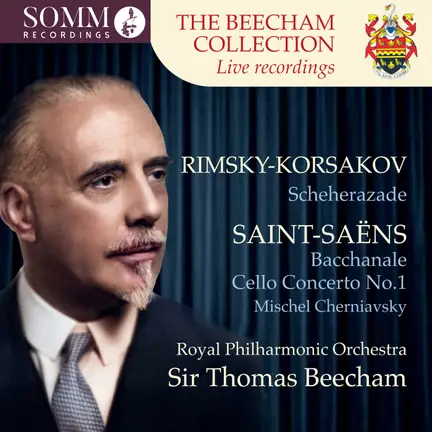
"I was informed there was an emergency, so I emerged…" With his typical relish for the bon mot, Sir Thomas Beecham (1879-1961) assumed his post with the Seattle Symphony with the same panache as marked his tenures in London, the music performed in a most cosmopolitan, idiomatic manner. Sir Thomas Beecham was the music director of the Seattle Symphony Orchestra for the 1941-42, 1942-43, and part of the 1943-44 seasons. His final concert was on Monday, November 1, 1943. Given conditions of the contract, any recordings made could be broadcast on the The Standard Hour provided they were destroyed in a timely manner. So, that Andrew Rose could remaster any music at all owes a debt to the existence of a cassette tape of materials randomly preserved from concerts between 26 September 1943 and 17-18 October 1943. The sound quality varies from fair and scratchy to incandescent, as in the marvelous Die Meistersinger Prelude, Act I and Elgar Serenade excerpt (10 October 1943).
Wagner’s Die Meistersinger Prelude to Act III (18 October 1943) bespeaks Beecham’s great fondness for the composer, the lines heavy but fluid, a somberness wrought of great musical matters about to be contested in the story-line of the opera. The Seattle cello and bass line, as well as the horn section, proves especially strong. The Elgar Enigma Variations (11 October 1943) receives a brilliant energized performance, giving the lie to the canard that Beecham ignored or disrespected Elgar’s music. The one CBS all-Elgar recording (ML 5031) testifies to a thorough commitment to the composer’s sound world. Unfortunately, while the first half of the Variations proceeds in relative acoustic quiet, the Nimrod Variation introduces a decayed sound that never quite recovers from the ravages of age. The touching Largo (10 October 1943) from the String Serenade (1892) melts our hearts, the melody in 2/4 often surging and retreating in layered harmony in good sound.
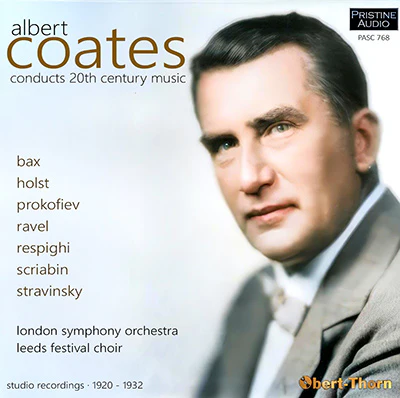
The music of Delius reigned as an obsession in Beecham’s sensibility, and his On Hearing the First Cuckoo in Spring (26 September 1943) captures the surface intensity that defines much of this composer’s nature music. Based on a Norwegian tune. “In Ola Valley,” that Delius got from Grainger, the piece manages a lullaby effect, rocking and shimmering its pantheistic ways through the winds and strings. Beecham keeps the Seattle Symphony lightly transparent, the oboe and strings in lulling harmony. Finally, more Wagner in the form of the D Minor Flying Dutchman Overture (11 October 1943), another reminder that Beecham and Albert Coates dominated Wagner conducting in Britain. Both recorded sound and Seattle brass execution prove a bit shaky, but the Senta motif and the ferocity of the waves quite captures our collective fancy. The “curse” motif has the Seattle trombones, trumpets, and tympani in fine fettle, and the various chorus riffs mix with the wind and raging surf to provide a sea journey both dangerous and exhilarating.
— Gary Lemco