MENDELSSOHN: Violin Sonatas [complete listing below] – Alina Ibragimova, violin/ Cédric Tiberghien, piano – Hyperion CDA68322 (1/5/22) (67:04) [Distr. by PIAS] ****:
Given Felix Mendelssohn’s legendary gifts at the keyboard, we forget his mastery of the stringed instruments, violin and viola, refined under the tutelage of Pierre Rode pupil, Eduard Rietz (1802-1832), the recipient of dedications of the F Minor Sonata and the amazing Octet, Op. 20. The three-movement Violin Sonata in F of 1838, which lay in manuscript until 1953, remains incomplete. After an explosive introduction from the keyboard, worthy of Beethoven, Allegro vivace, Ibragimova and Tiberghien indulge in a spirited romp for both instruments, here in the revised 2009 edition that restores Mendelssohn’s first intentions. The virtuoso, hustled writing for the keyboard rivals the bravura solo pieces like the Rondo capriccioso of Op. 14. The energy of concertante writing for the duo partners reminds us of the Piano Trio in D Minor, Op. 49.
The central movement, Adagio, proceeds in the patented style of Mendelssohn’s Songs without Words the affect intimate, lyrical, and – for the most part – restrained, intended for virtuoso Ferdinand David, of Violin Concert in E Minor fame. The sudden, brief eruptions into the minor key bring a touch of Sturm und Drang to the occasion. Ibraginova brings a passionate edge to this music, which sports a moment of solo rapture. The coda embodies the very spirit of ardent, salon music. The last movement, Assai vivace, offers yet another scherzando style moto perpetuo in the spirit of A Midsummer Night’s Dream activity. Light, invested with 32nd notes in blurring speed, the music would seem to suit Paganini, whom Mendelssohn knew but only grudgingly admired. The texture thins in the middle section, then to resume the dragonfly sensibility that drives this music dazzling flights of kinetic fury. Recorded 19-21 January 2021, the sound quality, courtesy of Producer Andrew Keener,, cuts a crisp etched impression that endures.
The only violin sonata published in Mendelssohn’s lifetime, the Sonata in F Minor, Op. 4 was composed in 1823, when the fourteen-year-old fell under the commanding spell of Beethoven’s style. The first movement, Adagio, opens with Ibragimova’s piercing, solo recitative, answered by the solo piano in the main theme. The drooping phrases in staggered metrics may owe debts to Beethoven’s Piano Sonata No. 17in D Minor, Op. 31/2 “Tempest.” The ensuing Allegro moderato assumes more energy, especially from the keyboard’s alternation of registers and upward, chromatic sweep of the violin’s melodic line. Prior to the coda, the duo exchanges trills in a most complementary symmetry, moving to a quiet close.
The Poco adagio second movement begins in Mozartean simplicity, intimate and expressive. A small piano cadenza takes us to a lulling moment for the duo in ‘romantic’ terms, the violin over piano arpeggios, the sound pre-Schubert. The chromatic line tests the limits of Classical harmony, more than hinting at the Sturm und Drang sensibility in resonant, bass tones. The music then continues the style of bel canto, an accompanied violin aria, that previous, lulling moment extended to carry us in reverie to the wistful coda. The busy last movement, Allegro agitato, indulges Mendelssohn’s penchant for driven, choppily alert rhythms that enjoy a playful facility. As the music nears its conclusion, Mendelssohn brings back the recitative cadence from movement one, another borrowing from Beethoven, the unity and economy of cyclical structure. The last page from our talented duo should have every foot tapping.

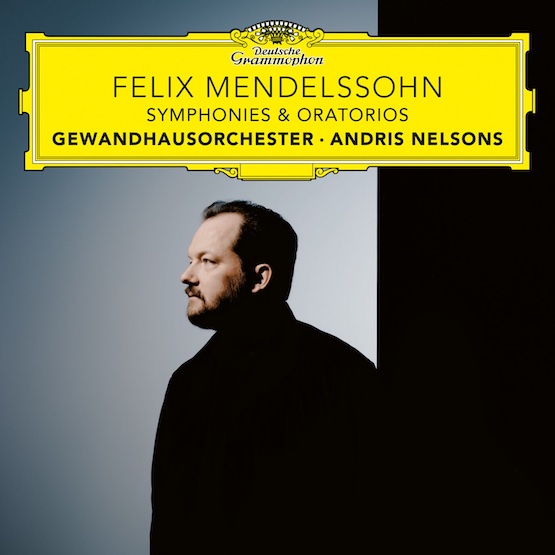
Felix Mendelssohn
The early Sonata in F Major from 1820 grants us a hearing of a precocious youth in hearty imitation of Mozart, but no less of the emfindsamkeit (emotional) style of C.P.E. Bach. Both the violin and keyboard parts enjoy brisk runs and rapid passagework in often interrupted, then, fluid motion. The violin will play forte to the piano’s softer dynamic, for an entertaining exercise in colors. The heart of the work, the second movement Andante, a theme and four variations in F Minor. Ibragimova’s wiry tone here may remind some auditors of Joseph Szigeti, especially in the variation in canon. For his last movement, Presto, Mendelssohn appropriates the rondo theme from the finale of Haydn’s 1794 Symphony No. 102 in B-flat Major. The duo’s proclivity for lightning speed does not eliminate their clear presentation of the theme in its various permutations, clear, witty, and compelling, at once.
Mendelssohn in the late 1820s fashioned a large-scale first movement for a Violin Sonata in D Major, of which 367 measures are extant. The opening Adagio in ascending sixths resembles one of Schubert’s fantasies for violin and piano, or possibly aspects of Beethoven’s Kreutzer Sonata. The latter analogy proves apt when the music unleashes an Allegro molto of considerable velocity and passion. In ascending sixths and descending thirds, the music co-opts the Beethoven impetus while still preserving Mendelssohn’s glowing gift for melodic utterance in the midst of shimmering energies.
—Gary Lemco
MENDELSSOHN Violin Sonatas
Alina Ibragimova, violin/ Cedric Tiberghien, piano
Violin Sonata in F Major (1838)
Violin Sonata in F Minor, Op. 4
Violin Sonata in F Major (1820)
Violin Sonata in D – fragment
More information through Amazon