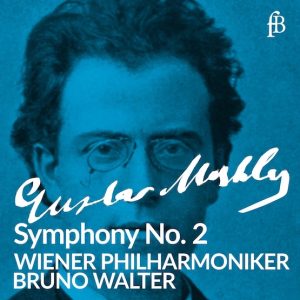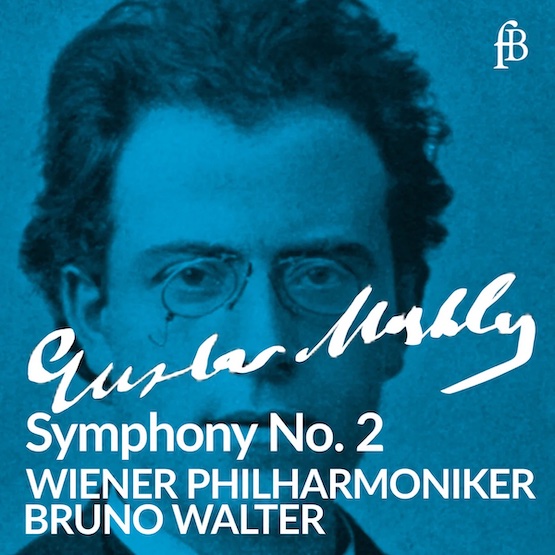
MAHLER: Symphony No. 2 in C Minor “Resurrection” – Maria Cebobtari, soprano/ Rosette Anday, alto/ Vienna Philharmonic Orchestra/ Bruno Walter – Fra Bernardo Records FB 256847 (80:37) (8/20/25) [Distr. By Naxos] *****:
Mahler enthusiasts and acolytes, note bene, because this issue of the 16 September 1948 Gustav Mahler Symphony No. 2 with Bruno Walter and the Vienna Philharmonic embodies a “resurrection” in virtually every sense of the word. The venue, post-war Vienna, required a moment of deep physical and moral reconciliation, and Walter – who had been ignominiously ejected from Austria by the Germans – returns and commands an utterly responsive VPO and two gifted vocalists, Maria Cebotari (1910-1949) and Rosette Anday (1899-1977). Despite often degraded sound, the intensity and noble splendor of the reading become so instantaneously present that gripes about the muffled note or sonic shatter become mere quibbles. What the producers call “a profound act of cultural and spiritual reclamation” has Bruno Walter (1876-1962) leading an alternately ferocious and ecstatically sympathetic performance of color and nuance that proves endearing at each turn, stylistically perfect and viscerally pertinent.
Mahler’s 1895 Second Symphony fulfills the requirements of the 1948 occasion: a work of massive, humanistic import, traversing themes of life and death, synthesizing archaic musical impulses as well as those vocal-dramatic models from Beethoven and Wagner, the work means to proclaim an idiosyncratic faith, if not in at an all-knowing, benevolent deity, at least in Humanity’s capacity for self-regeneration. Two monumental outer movements frame three intermezzi of varying emotional and poetic affections. The opening Allegro maestoso Todtenfeier movement opens with an embattled storm of motion, similar to first act in The Valkyrie of Wagner, when Siegfried flees through the forest. The last movement, colossal in the manner of Beethoven’s Ninth, utilizing two soloists and chorus, proffers thoughts from the poet Klopstock that seek to transfigure thoughts of mortality into a transfigured affirmation of spirit.
Bruno Walter demonstrates, as few Mahler interpreters have, a thorough command of Mahler’s divergent and demanding color shifts, including the most contrapuntal string and woodwind combinations in graduated volumes and accelerations. The acoustic of the Vienna Konzertverein hold the assembled forces in resounding tension, despite the sonic limits of the recording devices. That soprano Maria Cebotari did not survive long after her appearance here adds to the valediction of the moment, for hers was a fine, lyric gift. To listen to the ecstatic chords emanating from the combined forces at the finale’s coda allows us to glimpse a moment of cosmic forgiveness, if that phrase has any meaning at all. Required listening for Mahler and musical devotees, no matter your classical preferences.
—Gary Lemco