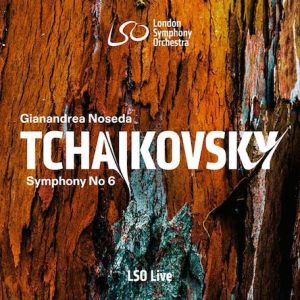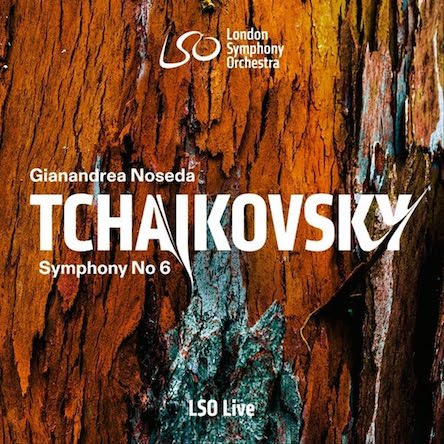
TCHAIKOVSKY: Symphony No. 6 in B Minor, Op. 74 “Pathetique”; MUSSORGSKY: Prelude to Khovantschina – London Symphony Orchestra/ Gianandrea Noseda – LS00895 (49:30) (12/3/25) {Distr. by PIAS] ****:
Noseda and the LSO recorded Tchaikovsky’s 1893 Sixth Symphony 6-7 December 2023, a lyrical, direct approach the does not indulge in the “staggering blows of fate” of the grand interpreters Mengelberg, Furtwaengler, Mravinsky, and Bernstein. The tragic elements remain, from the opening low bassoon and its hushed surroundings, the weeping character of the Adagio’s melancholy main theme, which soon subsides quietly, only to explode in emotional rebellion. The Allegro non troppo proceeds as a furious exercise in competing textures in counterpoint, intruded upon by militant forces. Some fine sense of transition emerges as Nosada builds his contending impulses, often reacting to each other antiphonally. The LSO trumpets and strings, alert and brilliant, and then the timpani, drive the music in a linear, resolute procession. The lyric quietude that resolves the first movement, even as thunder passes by, casts a tender resignation into the horizon.
The string and woodwind homogeneity of tone that literally defines the LSO sweeps the 5/4 Allegro con grazia second movement along in balletic gestures, the middle section -given the persistent drum beats – more cognizant than the surface offers of a fatal impulse at the heart of experience. Disturbed yet beautiful, this music possesses a siren-like allure that presents a false hope of reconciliation. The third movement, despite its Allegro molto vivace heroics, only drives Tchaikovsky’s ironies deeper, the potentially triumphant march rhythms undercut by metric irregularities whose power had been first revealed in the Beethoven Eroica. Noseda imposes a light but steely, vivid drive upon the music, and we might think of Toscanini’s approach to this score.
Whether the last movement Finale: Andante lamentoso – Andante inspired Gustav Mahler’s sense of tragic, symphonic design remains speculative, but Tchaikovsky’s heartfelt eulogy for his own soul communicates a forlorn sincerity rare in music. The descending motifs compete in minor and major; and, ending in major, become perhaps increasingly plaintive, a lesson inscribed by Gluck in his Orfeo. Noseda proceeds deliberately, without rhetorical exaggeration, allowing Tchaikovsky’s numbers to narrate a grievous collapse that desperately seeks to restore some happy resolution before inexorable darkness triumphs.
Noseda complements his program with Mussorgsky’s 1874 Prelude to the opera Khovantschina, unfinished at the time of the composer’s death in 1881 and subsequently re-touched by Rimsky-Korsakov. Subtitled as “Dawn Breaking over the Moscow River,” the luscious score – first revealed to this reviewer by Leopold Stokowski – features fine playing by oboe Timothy Rundle. The LSO strings and winds shimmer palpably in a haze of sound as evocative as it is lovely, a real testament to the composer’s natural melodic powers. Certainly, LSO could have attached more Russian music to this otherwise charming program.
—Gary Lemco