by Audiophile Audition | Apr 12, 2026 | Pop/Rock/World CD Reviews, SACD & Other Hi-Res Reviews
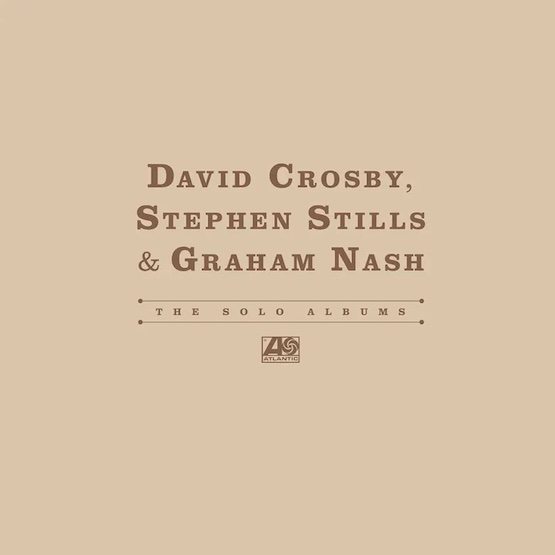
David Crosby, Stephen Stills & Graham Nash – The Solo Albums – Rhino Entertainment Company – Exclusive Record Store Day (4/18/2026) 4-LP 140-gram vinyl set
There are supergroups and among the finest was Crosby Stills & Nash. Comprised of Stephen Stills (Buffalo Springfield), David Crosby (The Byrds) and Graham Nash (The Hollies), the trio became the symbol of the Laurel Canyon folk rock movement and released a hugely successful self-titled album. Neil Young joined the band at Woodstock, becoming part of the band and the release of Dèjá Vu made them the biggest act in the world. Rhino Entertainment Company has released a 4-LP vinyl box that features the three solo debut albums (of the original group members) for Atlantic and one vinyl of rarities.
Stephen Stills: Stephen Stills – Atlantic Records R1 728555/081227805739-1 (1970)/Rhino Entertainment Company (2026) 140-gram stereo vinyl, 38:56 ****1/2:
As with the Crosby, Stills & Nash album, Stills played a huge part on this solo project, songwriting, vocals and playing several instruments. He is joined by Crosby, Nash, John Sebastian, Eric Clapton and Jimi Hendrix among others. The lead single, “Love The One You’re With” was a staple on both AM and FM radio. It has a hard-rocking groove, lush background vocals and positive energy. Stills’ range is prevalent on this album. There’s the introspective reflection of “Do For The Others” with nimble acoustic guitar and emotive vocals. He offers a Sunday-morning testimonial (with soulful back up singing) on “Church (Do For Others)”. His rock essence permeates two tracks, “Old Times Good Times” (accompanied by Hendrix) and “Go Back Home” (with Clapton).
Stills continues to expand the landscape on the ebullient “Sit Yourself Down” (passionate vocals). Then he transitions to an ethereal “To A Flame”. “Black Queen” is Delta blues with scintillating guitar. The finale is a meticulously produced counterculture two-part suite (“We Are Not Helpless”) that is a rousing affirmation.
David Crosby – If I Could Only Remember My Name – Atlantic Records R1 728555/081227805734-2 (1971)/Rhino Entertainment Company (2026) 140-gram stereo vinyl, 37:04 ****1/2:
Crosby’s 1971 solo album was a “communal” experience with a variety of California-based rock stars, including The Grateful Dead, Quicksilver, Jefferson Airplane, Santana, Nash, Young and Joni Mitchell. The overall vibe on this album is a dream-like, melancholy vision with some jazzy influences. There are sone “basic” songs like the hippie-infused but pulsating “Music Is Love” (with Neil Young). Another highlight is the achingly beautiful “Laughing”, with shimmering vocals by Mitchell and pedal steel from Jerry Garcia. “Cowboy Movie” is a straight-ahead rocker with Crosby’s most animated vocals. Songs like “What Are Their Names” feel like a Dead or Airplane political jam.
But this album has atmospheric flowing melodies with ethereal vocals. “Tamalpais High (At About 3)” has a psychedelic spacey musical structure and vocalese. “Traction In The Rain” is a almost New-Age tale of loss with a nice touch of autoharp (Laura Allen). A certain highlight is the gentle swaying “Songs With No Words (Trees With No Leaves)”. Crosby’s vocal arrangement is complex and it is magnetic. The last two numbers (“Orleans” and “I’d Swear There Was Somebody There”) are quintessential solo Crosby, emoting with multi-tracked vocals.
Graham Nash – Songs For Beginners – Atlantic Records R1 728555/081227805739-03 (1971)/Rhino Entertainment Company 140-gram stereo vinyl, 32:13 ****1/2:
Graham Nash’s debut is a collection of mostly well-crafted political, social and relationship themed material. It features an all-star cadre of musicians (Dave Mason, Garcia, Rita Coolidge, Neil Young). His strong positions on politics is represented on the loping “Military Madness” (great Mason wah-wah guitar). A thumping gospel chorus on“Chicago” establishes momentum that leads right into “We Can Change The World”. He laments on his breakup with Joni Mitchell on “I Used To Be King” (interesting arrangement with some country accents and tempo upticks).
Nash demonstrates that he is on a songwriting par with his bandmates. “Better Days” has both pop sensibilities and moody resonance. His conversational style (“Man In The Mirror”, “Be Yourself”) is effective and his voice is incandescent.
David Crosby, Stephen Stills & Graham Nash: Solo Rarities – Atlantic Records/Rhino Entertainment Company R! 728555/081227805739-04 140-gram stereo vinyl ****:
There is a bonus LP with a variety of demos (“Be Yourself”, “Chicago”, “Sleep Song”) and previously unreleased material (“Everybody’s Been Burned”). Among these highlights
is a live performance of “Do For Others” and an early look at “The Treasure” (which would be recorded for the first Stephen Stills/ Manassas album). “Dancer” is another non-verbal acoustic reverie from Crosby.
David Crosby, Stephen Stills & Graham Nash – The Solo Albums is a valuable addition to Record Store Day and rock vinyl aficionados. Sourced from the original analog masters and re-mastered at Bernie Grundman Mastering (Chris Bellman), it is a sonic upgrade. There is excellent detail of instruments and voices. Included is an incisive booklet of liner notes.
Highly recommended!
—Robbie Gerson
TrackLists:
Stephen Stills:Stephen Stills
Side One: Love The One You’re With; Do For Others; Church (Part Of Someone); Old Times Good Times; Go Back Home
Side Two: Sit Yourself Down; To A Flame; Black Queen; Cherokee; We Are Not Helpless
David Crosby: If I Could Only Remember My Name
Side One: Music Is Love; Cowboy Movie; Tamalpais High (At Around 3); Laughing
Side Two: What Are Their Names; Traction In The Rain; Song With No Words (Tree With No Leaves); Orleans; I’d Swear There Was Somebody There
Graham Nash: Songs For Beginners
Side One: Military Madness; Better Days; Wounded Bird; I Used To Be A King; Be Yourself
Side Two: Simple Man; Man In The Mirror; There’s Only One; Sleep Song; Chicago; We Can Change The World
David Crosby, Stephen Stills & Graham Nash: Solo Rarities
Side One: The Treasure (Stephen Stills); Dancer (David Crosby); Be Yourself (Demo/Graham Nash); Coast Road (David Crosby); Everybody’s Been Burned (Graham Nash)
Side Two: My Love Is A Gentle Thing (Stephen Stills); Kids And Dogs (David Crosby); Chicago (Demo/Graham Nash); Do For Others (Live/Stephen Stills & Steven Fromholz); Sleep Song (Demo/Graham Nash); Fugue (David Crosby).

by Audiophile Audition | Apr 11, 2026 | Pop/Rock/World CD Reviews, SACD & Other Hi-Res Reviews
This is a blues legend in his prime…
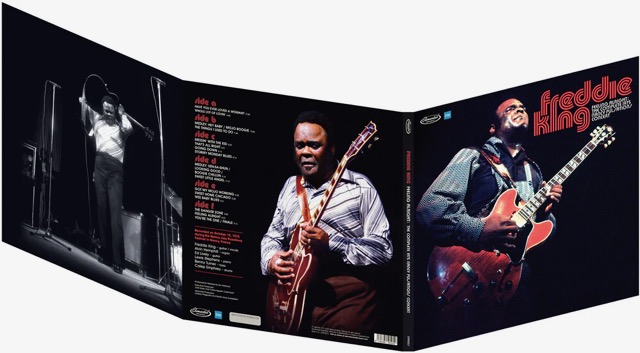
Freddie King – Feeling Alright: The Complete 1975 Nancy Pulsations Concert – Elemental Music 5990557 Record Store Day [4/18/2026] Deluxe Limited Edition 180-gram gatefold 3-LP Set, 126:13 ****1/2:
(Freddie King – guitar, vocals; Alvin Hemphill – organ; Ed Lively – guitar; Lewis Stephens – piano; Bennie Turner – bass; Calep Emphrey – drums)
Blues music was graced with 3 “kings” of the guitar, B.B., Albert and Freddie. Freddie King made his mark on the music scene, with unique guitar techniques from both Texas and Chicago. Utilizing open-string notation and piercing electric distortion, King adapted to the modern contours of this genre, aligning himself with British and American rockers. He favored semi-hollow Gibson electric guitars. King’s instrumental style (referred to as Texas Cannonball) relied on crisp, strident delivery. His soulful vocals were urgent with a “crying” tonal element. After establishing himself on specialty labels like Federal Records with songs like “Have You Ever Loved A Woman” and “Hideaway”, he moved on to rock labels like Shelter Records and toured extensively. Though, he died at 42, King was inducted into the Rock And Roll Hall Of Fame and the Blues Hall Of Fame.
Elemental Records has released a limited edition 180-gram triple vinyl of a monumental 1975 concert. Freddie King – Feeling Alright: The Complete 1975 Nancy Pulsations Concert. Fronting a sextet, he performed a two-hour set in front of 50,00 enthusiastic fans. Side A opens with his game-changing first hit, “Have You Ever Loved A Woman”. This is quintessential “down ’n’ dirty” electric blues. King’s guitar accents are blistering and the band provides a visceral, gritty backdrop to King’s gut-wrenching vocals. In a change of pace, “Whole Lot Of Lovin’” is high-octane rocking blues and King’s guitar is explosive. King and his band continue to dial up the intensity on the first medley, “Hey Baby/Mojo Boogie”. There are searing guitar licks and King digs deep on the vocal presentation, while the backing musicians propel the tempo. This is modern blues at its best.
The setlist is impressive. King’s confident delivery elevates “Messin’ With The Kid”. He is equally adept at slow-burning intensity on “That’s All Right”. His grasp of standards is a strength. “Going Down” has bone-rattling guitar licks and emotional singing. His ability to interpret slowed-down classics is equally adept on “Stormy Monday Blues”. One of the many album highlights is a robust instrumental medley, “Sen-Sa-Shun/Looking Good”. This is unadulterated blues celebration. The hits keep coming with perennial standards like “Boogie Chillun’”, “Sweet Home Chicago”, “Got My Mojo Workin’” and “Sweet Little Angel”. Drawing on the rock culture, King covers the Dace Mason/Traffic favorite “Feeling Alright”
Freddie King – Feeling Alright: The Complete 1975 Pulsations Concert Is another valuable addition to Record Store Day 2026 by Elemental Records. This is a blues legend in his prime. The restored sound (mixed by Marc Doutrepont and mastered by Matthew Lutthans/The Mastering Lab) is potent and captures the raw energy of King’s incendiary guitar and growling vocals. Included is an incisive booklet with liner notes by Cary Baker and interviews with Wanda King and fellow Texas blues guitarist Billy Gibbons. There are several concert photographs. Note: This album was released with the cooperation of the King family.
Highly recommended!
—Robbie Gerson
Freddie King – Feeling Alright:
TrackList:
Side A: Have You Ever Loved A Woman; Whole Lot Of Lovin’
Side B: Medley: Hey Baby/ Mojo Boogie; The Things I Used To Do
Side C: Messin’ With The Kid; That’s All Right; Stormy Monday Blues
Side D: Medley: Sen-Sa-Shun/Looking Good; Boogie Chiilun; Sweet Little Angel
Side E: Got My Mojo Working; Sweet Home Chicago; Wee Baby Blues
Side F: The Danger Zone; Feeling Alright; You’re The One/Finale.

by Audiophile Audition | Apr 10, 2026 | Classical CD Reviews, Classical Reissue Reviews
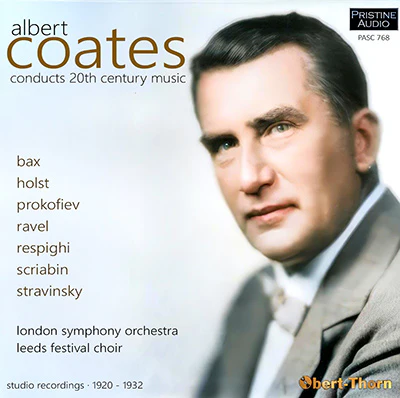
Albert Coates conducts 20th Century Nusic – Scriabin, Stravinsky, Holst, Ravel, Bax –Pristine Audi PASC 768 (2 CDs – 2 hr 1:42, complete listing and credits below) [www.pristineclassical.com] ****
My first encounter with Russian-British conductor Albert Coates (1882-1953) derived from a set, “Historical Anthology of Orchestral Music (from 78s), Volume One,” from esteemed collector Thomas L. Clear, a four-record compilation that included an especially frenzied account of Mozart’s Jupiter Symphony. In spite of the manic pace set by Coates, I had to admire the tenacity and discipline of his ensemble, which I can liken only to what Yevgeny Mravinsky achieved with his intimidated Leningrad Philharmonic. Aside from his mastery of the Russian repertory, Coates won fame for his Wagner interpretations, which could easily rival documents set down by Siegfried Wagner and Leo Blech. A man of girth and physical substance, Coates once, in a fit of temper, threatened recalcitrant players with what possibilities might be imminent if only he were “that diminutive Italian!”
Producer and Audo Restoration Engineer Mark Obert-Thorn has assembled Coates’s recorded contribution to 20th Century music, 1920-1932, here eschewing the usual Romantic legacy. `The extensive program opens with Scriabin’s 1905-08The Poem of Ecstasy (27 April and 7 May 1920), the one-movement composition which the composer considered his Fourth Symphony. Despite my aversion to acoustic recordings and their desiccation of orchestral colors, the Coates reading indulges Scriabin’s persistent demand for lanquid effects, a result of Wagner’s Tristan formula of withholding any tonal resolution, especially via whole-tone scales and competing chromatic harmonies. Thus, Coates manages an erotic elasticity to the evolution of the three-part structure, as “the joy of cosmic liberation” assaults our senses. Trumpet fanfares compete with birds’ extreme, twittering trills to accomplish an apotheosis. The “Soul in an orgy of (self) love” seems appropriate to this mastery of solipsistic energies, the illumined effects of which Coates negotiates with easy finesse. If only Coates had had more modern technology at his service, but Obert-Thorn has done much to revivify this moment of dazzlingly cryptic musical expression into a meaningful whole.
The Coates excerpts from Stravinsky’s 1910 ballet The Firebird (rec. 15 February 1928) immediately benefit from the electronic recording process, given the clear, articulate voicings from winds and strings. The glistening textures pass by in fleeting colors borrowed from the palette of Stravinsky’s teacher Rimsky-Korsakov, complemented by modern dissonances. The orchestral discipline feels less secure in the layered throes of the Infernal Dance, but at no loss of visceral excitement. The lure of the exotic continues in the selected pieces (rec. 14 October 1930) from the 1917 tone-poem The Song of the Nightingale, adapted from the 1914 opera. The delicacy of the scoring, including celesta, harp, cymbals, and glissando strings often set in pentatonic, dissonant scalar patterns, contributes to a startling array of vibrant colors. The Funeral March resonates in an eerie pageant, brief but mysterious.
The brief suite from Prokofiev’s 1921 satirical opera The Love for Three Oranges has survived mainly due to the acerbic “March.” The level of the opening foray by tongued trumpets never fails to arrest our attention, and Coates (rec. 6 January 1927) injects a mighty marcato pace shimmering with martial vitriol. The “Scherzo” imbibes all of the Coates capacity for spirited momentum, interrupted by dainty pulsations. The 1925 Exhibition of Modern Industrial and Decorative Arts in Paris inspired impresario Diaghilev to commission Prokofiev for his 1926 ballet score The Steel Step, consisting of eleven dances. Coates recorded Le Pas d’acier on 18 February 1932. An often ungainly blend of diatonic harmony and chromaticism, the music bears a militantly hectic color scheme that relies on Stravinsky’s Le Sacre du printemps cross-fertilized – as in “The Hammers” – by Mosolov’s Iron Foundry, given its recorded debut by Vittorio de Sabata. A degree of gentle sarcasm permeates the score, as in “The Commisars,” “The Little Street Vendors,” and “The Sailor with bracelets and the Working Girl.” Obert-Thorn notes that Coates recorded the complete suite, but HMV never issued movements seven through nine. The Coates performance of this imposing music competes with an equally compelling – and more complete – version by Igor Markevitch.
As Obert-Thorn points out, we collectors of classic performances most commonly associate Holst’s 1914-17 The Planets with Sir Adrian Boult. But the Coates set of four movements (rec. 20 September 1926) reminds us of the power and intensity this conductor wrought in scores he well knew and admired. A swift sense of cosmic justice informs “Mars,” rife with compelling menace. Coates had given the first public performance of the complete astrological suite in 1920. The second movement, “Mercury, the Winged Messenger,” captures the fleeting and diaphanous colors of him who servs no less as the cosmic trickster. “Jupiter, the Bringer of Jollity” projects a noble swagger borne of interstellar confidence, and the middle section becomes an orison of broad persuasion that basks in British solidarity of spirit and consummate humanity. “Uranus, the Magician” concludes the suite with dire fanfare and mischievous, urgent ambiguities befitting the “riddle of the universe.” The unnamed Symphony Orchestra demonstrates fertile instrumental accomplishment, especially in their brass and battery sections.
There exists a natural “alchemy” to the ballet music preceding Gustav Holst’s 1922 opera The Perfect Fool, since the music has dancers representing Earth, Wind, Fire, and Water. Coates offers the energetic “Introduction – Dance of the Spirits of the Earth” from the same session that produced The Planets excerpts. The restoration proves vivid, indeed. On the 28th October 1925, Coates led an a cappella choir in Arnold Bax’s 1921 Mater ora Filium for unaccompanied double chorus. The Mother of God bears her Divine Son upon her arm. May He grant us all the joys of the blessed. This recording suffers a degree of surface noise, but the innate piety and ecstasy of the occasion swells in resonant devotion.
Albert Coates claims the first recording of any of Respighi‘s “Roman Trilogy,” and The Fountains of Rome (1918), recorded over the course of a year (4 January 1927 – 5 January 1928) depicts selected Roman fountains as seen at various times of day. The first of the series, “The Fountain of Valle Giulia at Dawn,” presents a bucolic scene occupied by passing cattle at dawn. Respighi’s woodwinds and muted strings bear the hazy and ripe colors realized by the LSO. A luxurious eruption of sound announces “The Triton Fountain in the Morning,” a kind of mythical pageant wherein Neptune’s chariot enjoys a vivid retinue of sea personages. The movement, “The Trevi Fountain at Noon,” at first casts an umbra that soon evolves torrentially, a martial, brass pageant of potent force. A suggestion of melancholy nostalgia informs the last section, “The Villa Medici Fountain at Sunset,” rather a wistful recollection of a bygone era of Italian cultural eminence. Twittering birds with harp riffs, tolling bells, and the shimmer of falling leaves mark the occasion, a transparency of effect well realized by Coates and ensemble.
Finally, from 2 March 1926, we have the premiere recording of Ravel’s La Valse, Coates’s athletic rendering of Ravel’s perception of the age of Vienna and the Strauss waltz kings. Once more, a hazy opening sequence of subdued power and impulse flourishes, both of which will inevitably explode at the climax. As Obert-Thorn appropriately comments, the performance belies its hundred-year-old existence, given the throbbing, hurtling energies that appear in exquisite, instrumental detail. Touches of rubato and portamento tint the interpretation with Romantic hues, but the élan vital never wanes.
—Gary Lemco
ALBERT COATES conducts 20th Century Music
1SCRIABIN: The Poem of Ecstasy, Op. 54;
1STRAVINSKY: The Firebird (1910): The Princesses’ Games with the Golden Apples; Infernal Dance of All Kashchei’s Subjects; The Song of the Nightingale: Celebration at the Palace of the Emperor of China; Chinese March; Funeral March;
1PROKOFIEV: The Love for Three Oranges, Op. 33: Infernal Scene; March; Scherzo; Le pas d’acier, Op. 41: 8 Scenes;
2HOLST: The Planets, Op. 32: Mars; Mercury; Jupiter; Uranus; The Perfect Fool – Ballet Music, Op. 39;
3BAX: Mater ora Filium;
RESPIGHI: The Fountains of Rome;
2RAVEL: La Valse –
1London Symphony Orchestra/
2Symphony Orchestra/
3Leeds Festival Choir/
by Audiophile Audition | Apr 7, 2026 | Jazz CD Reviews, SACD & Other Hi-Res Reviews
Elemental Music unearths another historic Bill Evans live performance, just in time for Record Store Day 2026.
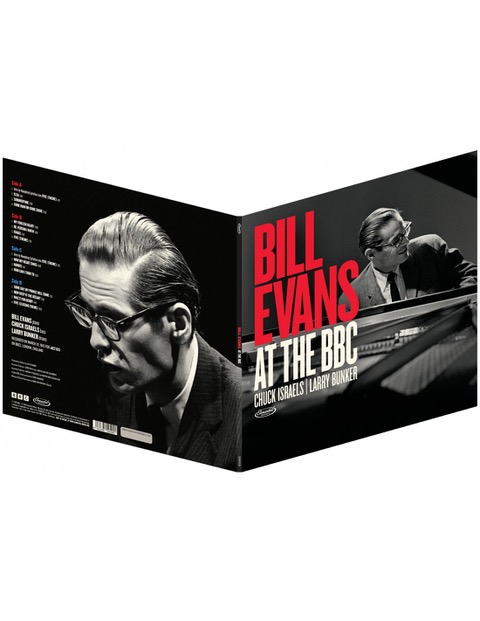
Bill Evans At The BBC – Elemental Music 5990558 – Deluxe Limited Edition First Pressing 180-gram gatefold 2-LP Set, Record Store Day [4/18/2026], 70:13 *****:
(Bill Evans – piano; Chuck Israels – double bass; Larry Bunker – drums)
After the untimely death of Scott LaFaro, Bill Evans continued with a “second trio” (prior drummer Paul Motian and bassist Chuck Israels). Eventually, Larry Bunker became the drummer. During a four-week stint at Ronnie Scott’s Jazz club, the Bill Evans Trio appeared at the BBC television studios on March 19, 1965 as part of the Jazz 625 series. This performance represented Evans in his lyrical prime and is a testament to the unique trio dynamics.
Elemental Music has released a 180-gram 2-LP of this concert (also available on CD). It captures the introspective approach by Evans. Side A opens with a syncopated jaunty Intro to “Five”. The intro is reprised in the finale. Next up is the atmospheric waltz-time “Elsa”. Evans’ tender rumination and precise notation is flawless and the rhtyhm section coalesces around his lithe execution. Israel’s sinewy double bass kicks off Gershwin’s eternal jazz standard, “Summertime”. Evans distills the melody with inherently rhythmic grooves and then hands it off to Israels for a solo. Evans’ solo is lively and includes a plethora of chord shifts, but never loses the song’s essence. Bunker’s brush work is nimble. “Come Rain Or Come Shine” began as a popular Broadway tune that became a staple of the jazz culture. Evans’ melancholic first verse is hypnotic. As the trio joins in, there is a gentle swing uptick, another Israels run and a percolating Evans solo that injects bluesy resonance.
There is a meditative, haunting aural landscape to “My Foolish Heart”. His relaxed play flows seamlessly, and the understated phrasing is moving. This aesthetic permeates the arrangement for an original, “Re: Person I Knew”. After a deliberate beginning, Evans kicks into cool swing with great right-hand notation. He is as always generous, as Israels also solos and the reserved brush strokes of Bunker add texture. Switching to hard bop mode, (“Israel”), the ensemble takes in a 10-bar blues number with briskness and attitude. Bunker shines on gritty drum solos and fills, exchanging with Evans.
Evans has always paid homage to jazz legends, especially Miles Davis. Here, there are a pair of tracks closely associated with him. “Someday My Prince Will Come” was originally a pop ballad from the Disney movie Snow White And The Seven Dwarves”. Evans’ cover is medium-swing and there is a torrent of piano improvisation, spirited double bass solo, and drum breaks. Like his mentor, he has reinvented pop as jazz. A Davis-penned song (that he actually never recorded), “Nardis” has become a consistent part on the Bill Evans repertoire (recorded 12 times) With a modal delivery and exotic motifs, Evans embraces the complex and evolving stylistic changes of the cool jazz era. It has a memorable vamp and bluesy chords. Evans utilizes a lilting tempo and precision on ballads like “Who Can I Turn To” and “How Deep Is The Ocean”. A certain highlight is one of Evans’ most recognized numbers, “Waltz For Debby”. He glides through the song (in medium 3/4 time) and articulates his jazz technique and arrangement skills.
Kudos to Elemental Music for uncovering this unreleased vintage Bill Evans concert (previously only seen and heard on bootleg videos). The sound mix (transferred from the original BBC tapes and mastered by Matthew Lutthans/The Mastering Lab) is potent and quieter, approximating studio acoustics. There is a great deal of subtlety and clarity in the piano tonality, with attention to centering and an expansive soundscape. Included in this Record Store Day gem is is a fold-out gatefold with an incisive booklet of liner notes, interviews and rare photos.
Highest recommendation!
—Robbie Gerson
Bill Evans At The BBC
TrackList:
Side A: Intro into Five Theme; Elsa; Summertime; Come Rain Or Come Shine
Side B: My Foolish Heart; Re: Person I Knew; Israel; Five (Theme)
Side C: Intro Five (Theme); How My Heart Sings; Nardis; Who Can I Turn To?
Side D: Some Day My Prince Will Come; How Deep Is The Ocean; Waltz For Debby; Five (Closing Theme).

by Audiophile Audition | Apr 5, 2026 | Jazz CD Reviews, SACD & Other Hi-Res Reviews
Romanticism and mood setting shine here…
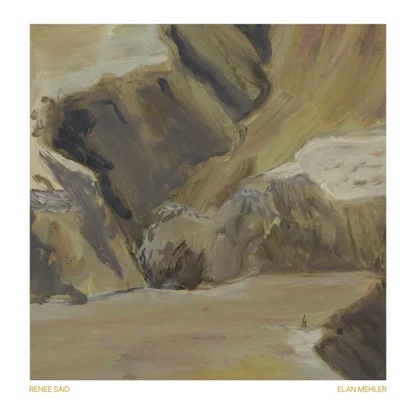
Elan Mehler – Renee Said – Newvelle Records #NV-038 – 180 gm audiophile vinyl – ****1/2
(Elan Mehler – piano; Loren Stillman – alto sax; Scott Robinson – tenor sax; Ben Monder – guitar; Tony Scherr – bass; Francisco Mela – drums; Matt Wilson – drums)
For the third entry in the Newvelle 10 anniversary series, the label’s co-owner, pianist Elan Mehler, has put together a dream sextet of musicians to help bring his vision of chamber music meeting blues, and meditative beauty, combining mood shifts, and counterpoint communication.
Choosing saxophonists, Loren Stillman, and legendary multi-reed master, Scott Robinson (here on tenor sax), with guitar wizard, Ben Monder, was a brilliant idea. Adding two drummers, Francisco Mela and Matt Wilson, for color, and shading just adds flavor to the mix.
Marc Urselli handled the recording and mixing, while Matthew Lutthans (he seems to be everywhere lately) did the mastering. The sound mix is pristine and the instruments blend impeccably, honoring the symbiotic interaction between the group.
The title track helps set the mood with minimalist lines, with introspection and passion reigning. Ben Monder’s fills add so much here, and throughout all tracks. “Byablue,” begins anthemic, and the saxes caress the melody. Elan’s piano brightens and elevates, and the saxes have blues driven choruses.
“Dani’s Fortress” highlights the group’s symbiosis, and the swing is contagious. “White Cloud’s Dark Sky” has a gorgeous melody, with counterpoint, while Monder’s shape shifting lets the saxes’ blues riffs take over. “Wolf Orchard” is mournful and tender, and Monder’s guitar is again featured.
Side 2 has “Yonder Waters,” sets a dreamy mood with resonant guitar. “Quickening,” written by Frank Kimbrough, has a chamber music feel, but also I heard a blues influence enter again from the saxophones. “The Violence of Reason,” (such a heavy title), has a winning melody with a “down home” blues saxophone solo, and Mehler’s piano choruses match the “soul” of the horns.
The closing track, “Tilt” has major tension escalation, like a pinball machine, “tilting” into free blowing, before returning into the easygoing opening melody. I’m sure they had fun on this one.
Elan should be mighty proud of the joyful listening that Renee Said brings.
The superb acoustics just sweeten the pot. Long live Newvelle Records. Their 10th anniversary series continues with more releases soon.
—Review by Jeff Krow
Elan Mehler – Renee Said
Tracklist:
Side 1:
Renee Said, Byablue,
Dani’s Fortress,
White Cloud’s Dark Sky,
Wolf Orchard
Side 2:
Yonder Waters,
Quickening,
The Violence of Reason,
Tilt
by Audiophile Audition | Apr 4, 2026 | Jazz CD Reviews, SACD & Other Hi-Res Reviews
Buster Williams debut as a leader from 1975…
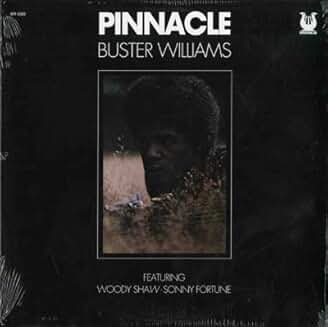
Buster Williams – Pinnacle – Muse/Time Traveler/ Craft Recordings # TT-M006 – 180 gm vinyl – 1975 – 44:07 – ***1/2
(Buster Williams – acoustic & electric bass, vocal; Earl Turbinton – soprano sax, bass clarinet; Sonny Fortune – soprano sax, flute, alto flute; Woody Shaw – trumpet; Onaje Allan Gumbs – acoustic & electric piano, Moog Synthesizer, Arp string ensemble; Billy Hart – drums; Guilherme Franco – percussion; Suzanne Klewan & Marcus – background vocals)
As part of the Muse Records re-release series of jazz LPs from the 1970s, Time Traveler Recordings, in association with Craft Recordings, is issuing Pinnacle, the debut recording (as a leader) of bassist, Buster Williams.
Buster has had a long career as a top notch bassist, who has played with all the greats over the years, and is still going strong. Before this 1975 release, Williams had accompanied Nancy Wilson, McCoy Tyner, and was a major contributor to Herbie Hancock’s Mwandishi group from 1970-1973.
For his leader debut, Muse, used a first rate group of horn players (saxophonists, Sonny Fortune, and Earl Turbinton, and added trumpeter, Woody Shaw, on two tracks.) The rhythm section is composed of pianist, Onaje Allan Gumbs, and drummer, Billy Hart. Percussion duties were ably handled by Guilherme Franco.
The five tracks, with four written by Buster, cover a wide range of genres, including spiritual jazz, post bop, with a strong dose of fusion, and a little funk thrown in. Several tracks have background vocals, which sometimes distract a bit.
“The Hump” opens with some 1970s psychedelia, with fusion meeting funk. Williams is on fender bass, while Turbinton and Fortune stir the pot on bass clarinet, and soprano sax, respectively. Gumbs’ synthesizer sets the mood, while Billy Hart’s forceful drumming is strong in the mix. The title track has Buster on vocals, while Earl and Sonny share soprano lines, with Earl taking lead duties. Woody Shaw adds his trumpet.
“Tayamisha,” written by Buster for his daughter, holds up quite well after 50+ years, and is a highlight of this LP. The two saxes have a high pitched keening blend, and Gumbs has a great straight ahead acoustic piano solo, while Buster’s bass solo stands out. He also has a major say on the closer, “Batuki,” an Allan Gumbs composition. Fortune and Turbinton blend well, while Woody Shaw is restrained, adding color, instead of heat. Once again, Williams solos extensively.
The sound mix is spot on, with the original analog masters used by Matthew
Lutthans at the Mastering Lab, and the pressings on 180 gm vinyl by Optimal. There are new liner notes, and a rare period photograph. Just in time for Record Store Day (April 18), this LP is housed on a Stoughton old style tip-on jacket.
It’s great to experience Buster Williams early in his career, backed by such great sidemen.
—Review by Jeff Krow
Buster Williams – Pinnacle
Tracklist:
Side A: The Hump, Noble Ego, Pinnacle
Side B: Tayamisha, Batuki
by Audiophile Audition | Apr 4, 2026 | Jazz CD Reviews, SACD & Other Hi-Res Reviews, Uncategorized
Chrysalis Records releases a memorable sonic vinyl upgrade to a live Robin Trower album.
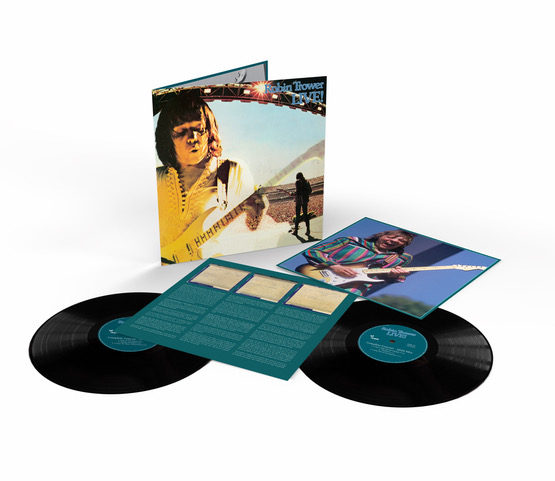
Robin Trower – Robin Trower Live! – Chrysalis Records (1976)/[4/3/2026] CRV230-4 50th anniversary edition 180-gram double vinyl ****1/2:
(Robin Trower – guitar; James Dewar – bass, vocals; Bill Lordan – drums)
English guitarist Robin Trower was part of the 1960’s British blues scene. His first group (The Paramounts) included pianist Gary Booker. In 1967, he became part of the progressive rock band Procol Harum. Trower played on five albums with the band, and wrote a few songs, most notably “Whiskey Train”. His piercing blues guitar added a gritty element, but inevitably left for more artistic independence. In 1971, he formed the Robin Trower Band with bassist/vocalist James Dewar and drummer Bill Lordan. This was a power trio, influenced by Jimi Hendrix. Trower is considered by many to be the standard bearer for the explosive, psychedelic blues genre viscerally represented by Hendrix and Cream. For 5 decades, Trower has recorded and performed as a solo artist, most often in a trio, including stints with Jack Bruce and Bryan Ferry. He rejoined Procol Harum for two late-career albums.
Chrysalis Records has reissued a 50th anniversary edition 180-gram double vinyl of Robin Trower Live! Recorded on 2/3/1975 at the Stockholm Concert Hall for the Swedish Broadcasting Corporation, the album was released on vinyl in 1976, and subsequently on CD. This was a concert that captured the blues intensity and instrumental style of Trower and his band mates, James Dewar (bass, vocals) and Bill Lorden (drums). This vinyl contains the entire setlist (11 originals and one cover) in sequential order. Side A opens with the amped-up hook-laden pyrotechnics on “Day Of The Eagle”. Trower’s muscular guitar lead with furious chords, distorted effects, propulsive rhtyhm section and gritty vocals bring this slightly over 3 minute number into a jagged focus with a breathless slow down and accelerated ending.
In a psychedelic arrangement, “Bridge Of Sighs” is hypnotic with a menacing vibe. Trower’s guitar accents are exquisite and incisive with note-bending and a dizzying array of tonal effects, especially in the extended solo. With potent lead and vocals, “Gonna Be More Suspicious” is a tightly constructed trio performance with high-energy, crisp guitar notation that feels relentless, but is delivered with nuanced tempo changes. “Fine Day” sustains the muscular play and bluesy contexts. Dewar’s emotional singing is at the center of “Lady Love” with a strong rock template and includes a blistering solo by Trower. In a considerable change of pace, “Daydream” is much slower and atmospheric.
A certain highlight is the frantic “Too Rolling Stoned”. It starts out with the rhythm section on fire, then Trower launches a fusillade of “shredded” notation and Dewar’s most appealing singing. At the 2:46 mark, there is a funky, world-class transition that hits a deep, thumping groove and finishes with several roof-shaking runs by Trower. The trio (as cited in the album notes) was relaxed for the show. “I Can’t Wait Much Longer” exudes a slow-burning intensity that sets up a fierce guitar solo. Trower moves effortlessly through the concert and delivers animated guitar lines on “Alethea” and “Little Bit Of Sympathy”. One of the cuts not on the original release, “Confessin’ The Blues” is “heavy” blues with a hard rocking vibe. The finale (“Rock Me Baby”) is a B.B. King signature tune, but the group brings a modern electricity to the arrangement.
This upgraded vinyl has a vibrant sound mix (Richard Whittaker) that amplifies the bottom end and helps center Dewar’s urgent vocals. There is considerable passion and clarity in the tonality of Tower’s Stratocaster. This will be a valuable addition to any rock or blues collection.
Highly recommended!
—Robbie Gerson
Robin Trower Live!
TrackList:
Side A: Day Of The Eagle; Bridge Of Sighs; Gonna Be More Suspicious
Side B: Fine Day; Lady Love; Daydream; Too Rolling Stoned
Side C: I Can’t Wait Much Longer; Alethea; Little Bit Of Sympathy
Side D: Confessin’ Midnight; Rock Me Baby.

by Audiophile Audition | Apr 4, 2026 | Jazz CD Reviews, SACD & Other Hi-Res Reviews
A Record Store Gem- Live Roy Hargrove from 2000…
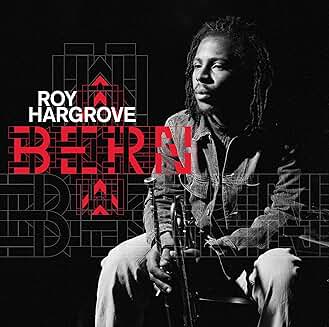
Roy Hargrove – Bern – Time Traveler Recordings #TT- 003 – 180 gm audiophile vinyl -Record Store Day Release (4/18/26) – Limited to 3000 pressings – ****1/2
(Roy Hargrove – trumpet, flugelhorn; Sherman Irby – alto sax; Larry Willis – piano; Gerald Cannon – bass; Willie Jones III – drums)
The loss of jazz trumpeter, Roy Hargrove, at age 49, in 2018, is still being felt. Roy was a bright shining star in the jazz community, noted for his embrace of many musical styles, and a master of ballads. At a young age, he had already handled recording with strings, and embraced soul and hip-hop.
His live recordings were treasured, showing his mix of power and subtlety. For this Spring’s Record Store Day in mid April, his fans are in for a treat, thanks to the “jazz detective,” Zev Feldman, who in cooperation with Hargrove’s estate, is issuing a limited edition (3000 pressings), on 180 gm audiophile vinyl, of a 5/4/2000 live concert from the International Jazz Festival in Bern, Switzerland.
The acoustics are superb, as the concert has been restored and mastered by Matthew Lutthans at The Mastering Lab. The sound stage is impressive with Hargrove’s touring quintet of noted artists (Sherman Irby on alto sax; Larry Willis, on piano; Gerald Cannon on bass; and Willie Jones III, on the drum chair) mixed well, and prominently featured.
The five tracks are full length are each musician gets ample time to shine. Irby, Cannon, and Jones are all still active, while we have since, sadly lost Larry Willis.
The Swiss audience is enthusiastic, recognizing the polish, and swing of the quintet. Irby fits in well with Roy, both matching Hargrove’s power as well as adding his own soulful playing, well developed as an integral part of Wynton Marsalis’ touring orchestra.
The LP opens with Frank Lacy’s “Stranded,” which was made to order for Roy, and was a personal favorite. It is non-stop energy, and the choruses fly with the aid of circular breathing. Liner notes indicate that the group improvised nightly on this group staple. There is an energy release, mid-tune, when Larry Willis has some mellow choruses, then he leads the group back into high gear.
Hargrove’s “Depth,” is next, and is done at 4/4, made to order for Irby. Roy is introspective, before taking off after the bridge. Willis and Jones have solos, as well. Next is a gorgeous rendition of the standard, “Never Let Me Go.” Roy is on flugelhorn, and his choruses show his mastery of ballads, with a burnished tone to die for. Gerald Cannon’s sensitive bass solo adds to the mood.
“Caryisms,” written by Hargrove for pianist, Marc Cary, shows the funky side of Roy. There is call and response, and references to The Meters, and Herbie Hancock. Cannon’s bass provides the underpinning, and Roy and Sherman play off each other, having fun.
The closer, “Circus,” has fine horn blend, and Irby’s alto sax runs seem to have the energy of Charlie Parker. Willie Jones III trades back and forth with the horns, before having his own space, and the horns take the tune out.
This audiophile quality LP is a great opportunity to experience Roy Hargrove in his prime at age 30. His charisma and talent is certainly missed. This limited edition LP is likely to sell out.
—Review by Jeff Krow
Roy Hargrove – Bern – Time Traveler Recordings
Tracklist:
Side A:
Strands (16:23)
Depth (11:44)
Side B:
Never Let Me Go (11:48),
Caryisms (10:32),
Circus (9:04)

by Audiophile Audition | Apr 3, 2026 | Classical CD Reviews, Classical Reissue Reviews
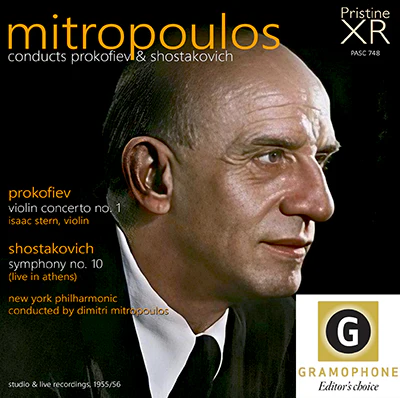
MITROPOULOS conducts PROKOFIEV and SHOSTAKOVICH = PROKOFIEV: Violin Concerto No. 1 in D Major, Op. 19; SHOSTAKOVICH: Symphony No. 10 in E Minor, Op. 93 – Isaac Stern, violin/ New York Philharmonic/ Dimitri Mitropoulos – Pristine Audio PASC 748 (69:57) [www.pristineclassical.com] *****:
The appearance of this disc from Pristine – especially the performance of the Shostakovich Tenth Symphony from the Orpheum Hall in Athens, Greece (2 October 1955), came as a remarkable discovery, given that no recorded documentation has existed for conductor Dimitri Mitropoulos (1896-1964) from his native country. The Shostakovich symphony, gestating between 1946-1951, had its premiere in December 1953 under Yevgeny Mravinsy and the Leningrad Philharmonic, and early commentary cited the music corresponded to qualities of the late Soviet dictator, Stalin. While Mitropoulos and the New York Philharmonic did make a commercial, studio recording for CBS, the present document derives from a post-war, European tour that allowed the Greek populace to witness their master musician in concert with the ensemble he had honed since 1949, after having shared leadership duties with Leopold Stokowski.
The opening movement, Moderato, stealthily and in sonata form, insinuates the personal motto DSCH (D-E-flat-C-B) in musical terms as an anagram of the composer’s himself, surreptitiously imposing his ego in a world fraught with malice. The NY Philharmonic string section asserts its intense supremacy in emotionally charged work when led by the inspired Greek conductor. An elastic but elongated movement, the taut line and dark evolution of its themes catch equal fire in the Philharmonic’s woodwinds, brass, and battery. At the mid-point of the progression, a manic, dizzy climax reaches a kind of apotheosis, finally resolved by groans in the cello line. A wind serenade ensues, a fluttering lyrical exposition on the motto theme, complemented by the awkward, meandering waltz tune. Having alluded both to Mahler and to his own Pushkin Verses, Shostakovich has the extended coda realize a haunted version of his motto, melancholy while somewhat uplifted by the flute choir that may refer to Nature’s eternal judgment.
The visceral scherzo (Allegro) emerges in frenetic militant, syncopated 16ths that buzz and whirl in spectacular fury. Whether a Soviet march or hustling orchestral étude in rhythmic gymnastics, the severe, demonic discipline of the Philharmonic rivals accounts left us by Mravinsky and Ancerl. There inhabits the Allegretto (Largo) movement a touch of Wagner’s Tristan, given the merger of two motives, the DSCH and the so-called “Elmira” motif, named for Elmira Nazirova (1928-2014), a composer for whom Shostakovich felt an enduring kinship. French horn and pizzicato strings set a fateful tone to which assorted woodwinds contribute an ambiguous, exotic series of color modulations, until a martial waltz erupts, a kind of angular, vehemently percussive variation on Borodin and the simian call from Mahler’s Das Lied von der Erde. A plaintive viola has the last word here, along with pizzicato strings, flute, and horn.
While the last movement, Andante-Allegro, contains the D-S-C-H motif and its variation D-C-B-E-flat, the mood strongly resembles that of Bartok, in particular, aspects of that composer’s 1944 Concerto for Orchestra, featuring strong presence from oboe and flute. A heaving, visceral anguish permeates the progress, until a jaunty – perhaps insincere – levity erupts in contrapuntal motion, the colors once more evocative of Bartok but colored by Russian folk energies. Mitropoulos’ control of divergent metrics and dynamic pulsations proves ever fertile, bristling, acerbic, headstrong. The colossal insistence, the feral, obsessive propulsion breaks off into a modified dirge in plaintive terms, pleading for reconciliation. A sense of mordant humor manages to appear, athletic circus music touched by Bartok’s woodwinds and snare drum. Are the last bars jubilant or simply mad? Whatever, the “hometown” audience virtually screams their adoration.
For the CBS performance of Sergei Prokofiev’s 1923 Violin Concerto No. 1 in D Major (rec. 27 February 1956), Mitropoulos has the assistance of American soloist Isaac Stern (1920-2001), who at this period in his career maintained a solid tone and effective technique, witnessed as well by his concerto recordings of Brahms and Sibelius with Sir Thomas Beecham. This performance was coupled (ML 5243) with the G Minor Concerto led by Leonard Bernstein. Constructed in three movements, the outer movements essentially lyrical and the middle movement a savagely ironic, flippant scherzo, the piece casts a luxuriant, exotic charm, often in the form of a reverie. Prokofiev alters the textures accompanying the solo in the course of the work no less demanding varying color effects from Stern, including ariosos, pizzicatos, ponticello chords, alternation of arco and plucked effects, and high harmonics. The duet with flute John Wummer, then the harp near the coda remains a moment of fine beauty. The whirling dervish Vivacissimo first revealed itself to me via Joseph Szigeti and Sir Thomas Beecham. Stern and Mitropoulos inject hiccups and dainty frenzy galore, a tour de force for all participants. The last movement, another suavely executed dream sequence, proceeds in a loose binary form, eventually dissolving in a rarified, cyclical ether here enshrined by Pristine’s XR process of amplified sonics.
Highly recommended, this fine restoration, with thanks to Andrew Rose and his team.
—Gary Lemco
From Pristine Audio, Dimitri Mitropolous condcuts Prokofiev Violin Concerto and Shostakovich Symphony No. 10. Classical Music Review by Robbie Gerson.
by Audiophile Audition | Mar 30, 2026 | Jazz CD Reviews
Oh, such beauty- Atlantic Road Trip’s new CD, provides near 45 minutes of bliss…
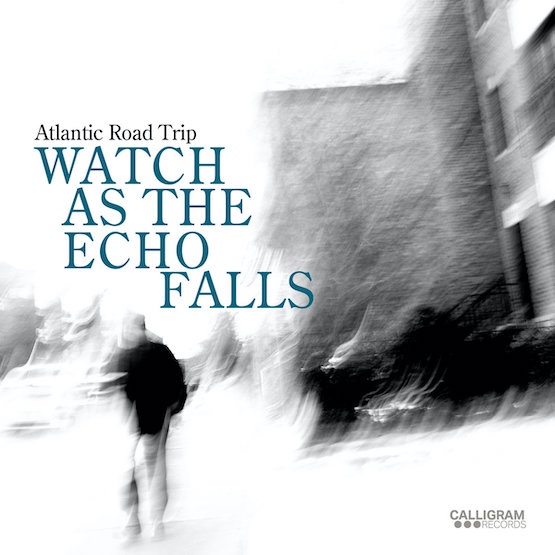
Atlantic Road Trip – Watch as the Echo Falls – Calligram Records #0028 – CD – 44:38 – *****
(Chad McCullough – trumpet, flugelhorn, synthesizers; Paul Towndrow – alto sax, flute, whistles; Miro Herak – vibraphone)
Atlantic Road Trip’s newest CD, Watch as the Echo Falls, pared down to a trio setting, is an intoxicating mix of folk, jazz, Balkan motifs, with classical chamber music soundscapes, all blending together, providing a listener with a well needed blissful retreat during these troubled times.
The sound stage is much deeper than you would expect from a trio, as there is layering, with use of space and coloring. The acoustics are crystal clear and enveloping, as much of the recording was done at the Royal Conservatoire, in The Hague. I recommend using a high end pair of headphones to really appreciate the aural splendors here.
Chad McCullough’s trumpet, and Paul Towndrow’s alto sax and flute, are a contrapuntal blend that floats and soars. Miro Herak’s vibraphone adds resonance, allowing the trio’s blend to linger and sink in deeply. Throughout, there is also room for improvisation. The constant here, for me, is a search for contemplative meditative beauty.
The shorter tracks (“Exordium,” “Prologue,” and “Epilogue” ) are mood setters for the longer tracks, which range from three to seven minutes in length.
“Parting of the Adriatic” blends a Celtic jig with Balkan influences. There is a joyous abandon, leading into a subliminal dreamy landscape. “Silere” uses the trio’s blend in a chamber music setting that soars to an ethereal heaven. “Fading Photograph” has McCullough’s horn in counterpoint with Towndrow’s flute.
There is freedom to explore in Miro’s “Past Memories,” and Paul has a bluesy passionate sax solo. Near the end of the track, Chad’s synthesizer takes us into new heights. “Cadmus” is simply gorgeous, as the notes linger with brightness. “And Again” has more elevation of emotions, with contrapuntal horn blends, and once again Chad’s synthesizer adds a jolt.
“Echo Falls” is a folk melody with Miro’s ostinato pattern leading to an opportunity for Paul and Chad to play some jazz choruses. “Singularity” closes this “road trip” journey with more symbiotic trio sublime beauty.
This is a release to treasure, and one to return to often, as a respite from chaotic times…
—Review by Jeff Krow
Atlantic Road Trip – Watch as the Echo Falls
Tracklist:
Exordium, Parting of the Adriatic, Silere, Prologue, Spell Breaking, Fading Photograph, Past Memories, Cadmus, And Again, Echo Falls, Epilogue, Singularity